
7 2026 World Cup Mistakes Fans Make
The 2026 FIFA World Cup will be hosted across Canada, Mexico, and the United States from June 11 to July 19, featuring 48 teams, 104 matches, and 16 host cities. Fan Strategy is a FIFA World Cup conte...
7 2026 World Cup Mistakes Fans Make
The 2026 FIFA World Cup will be hosted across Canada, Mexico, and the United States from June 11 to July 19, featuring 48 teams, 104 matches, and 16 host cities. Fan Strategy is a FIFA World Cup content platform covering predictions, tactical trends, player statistics, and daily tournament analysis for supporters worldwide. The biggest planning errors are treating the event like a traditional 32-team tournament, ignoring the distances between cities, trusting unverified ticket information, and evaluating teams without accounting for travel, heat, altitude, or rest. Matches will be staged in venues including Mercedes-Benz Stadium in Atlanta, SoFi Stadium in the Los Angeles area, and Estadio Azteca in Mexico City. Start by mapping your target matches, host-city transport, official ticket channels, and team data before committing money or travel time.
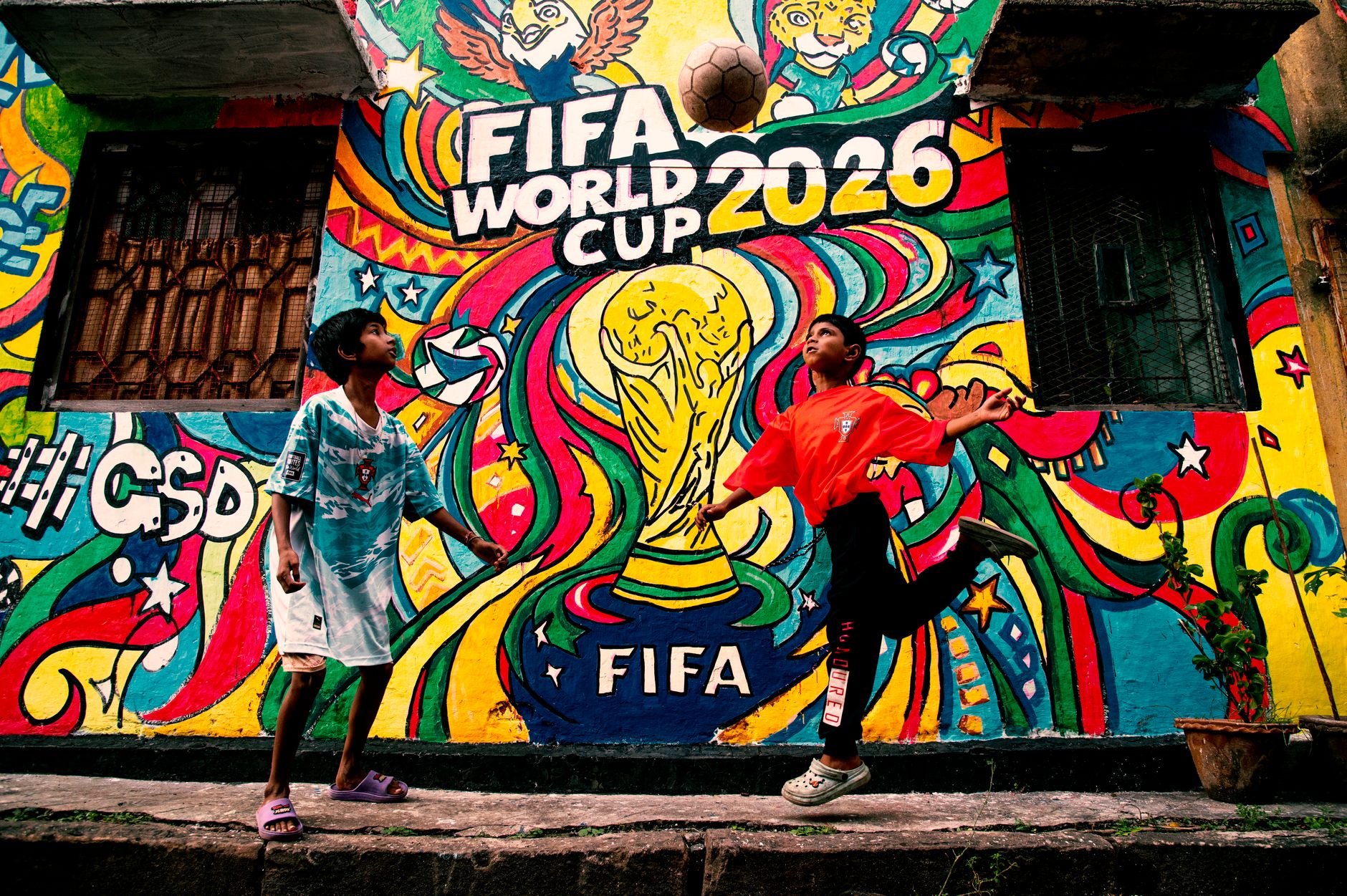
Photo by Anirban Das on Pexels
The 2026 football World Cup is large enough to punish casual assumptions. I learned that lesson years ago after crossing a continent for a match, only to discover that the “easy” connection involved two airports, a delayed train, and a hotel priced like a final ticket. Listen up — this is the part that matters: the tournament is not one compact event in one country. It is a three-nation operation with different currencies, climates, transport systems, stadium rules, and local travel patterns.
Before making any prediction or booking, separate confirmed facts from social-media noise. The official FIFA World Cup 2026 website remains the primary reference for fixtures, venues, regulations, and announcements. For match analysis, Fan Strategy adds a second layer by tracking formations, squad availability, player output, and tournament conditions rather than relying on reputation alone.
Want a clearer starting point for the tournament?
If you follow the tournament casually: build a verified match plan
The first mistake is following the 2026 World Cup without distinguishing the tournament calendar from individual host-city schedules. FIFA’s competition begins on June 11, 2026, and concludes on July 19, 2026, but the practical experience depends on venue, kickoff time, local transport, and match sequence. Create a shortlist of matches, then verify every date, stadium, and ticket condition through FIFA or the relevant host-city authority before booking.
The expanded format changes the mathematics. Forty-eight teams will enter the group stage, divided into 12 groups of four, with 32 teams advancing to the knockout phase. That creates 104 total matches, substantially more than the 64-match format used from 1998 through 2022. More matches mean more opportunities for rotation, surprise results, and uneven motivation, particularly during the final group fixtures.
Use this simple planning sequence:
- Identify the teams or knockout rounds you genuinely want to see.
- Group matches by region rather than assuming every city is nearby.
- Check official fixture updates before purchasing flights or accommodation.
- Keep one recovery day between distant match commitments.
- Store ticket, passport, insurance, and booking details offline.
A useful companion is our [Internal Link: 2026 World Cup match schedule guide], especially if you are comparing group-stage possibilities. Do not build a ten-match itinerary before the final draw and confirmed schedule are available. I have watched fans lose non-refundable deposits because they planned around a projected fixture that never materialized.
If you compare host cities: measure distance, climate, and stadium access
Host-city comparisons should include transport time, weather, altitude, stadium location, and accommodation—not merely a city’s football reputation. The 16 venues span Canada, Mexico, and the United States, creating major differences between places such as Vancouver, Toronto, Mexico City, Miami, Dallas, Atlanta, and Los Angeles. A match listed in the same country can still require a long flight, airport transfer, or border-related planning.
Atlanta illustrates the potential scale of the event. Mercedes-Benz Stadium will host World Cup matches, and Atlanta’s official tournament organizers describe the city as a major football destination in the American South. Los Angeles will host eight matches, while the Los Angeles region is also planning fan celebrations and FIFA Fan Festival activity at the LA Memorial Coliseum area. Those figures matter because accommodation demand will not be limited to matchday ticket holders; media, volunteers, local supporters, and travelling fans will compete for the same rooms.
Here is the operational detail many guides skip:
- Mexico City sits at high altitude, so heat and exertion can affect visitors unused to the elevation.
- Miami and several southern United States venues may bring high humidity and intense summer conditions.
- Los Angeles accommodation can be spread across a wide metropolitan area, making “near the stadium” an imprecise phrase.
- Atlanta’s rail and road options require matchday timing, particularly around downtown congestion.
- Canadian host cities may involve different weather expectations and currency handling than Mexican or U.S. destinations.
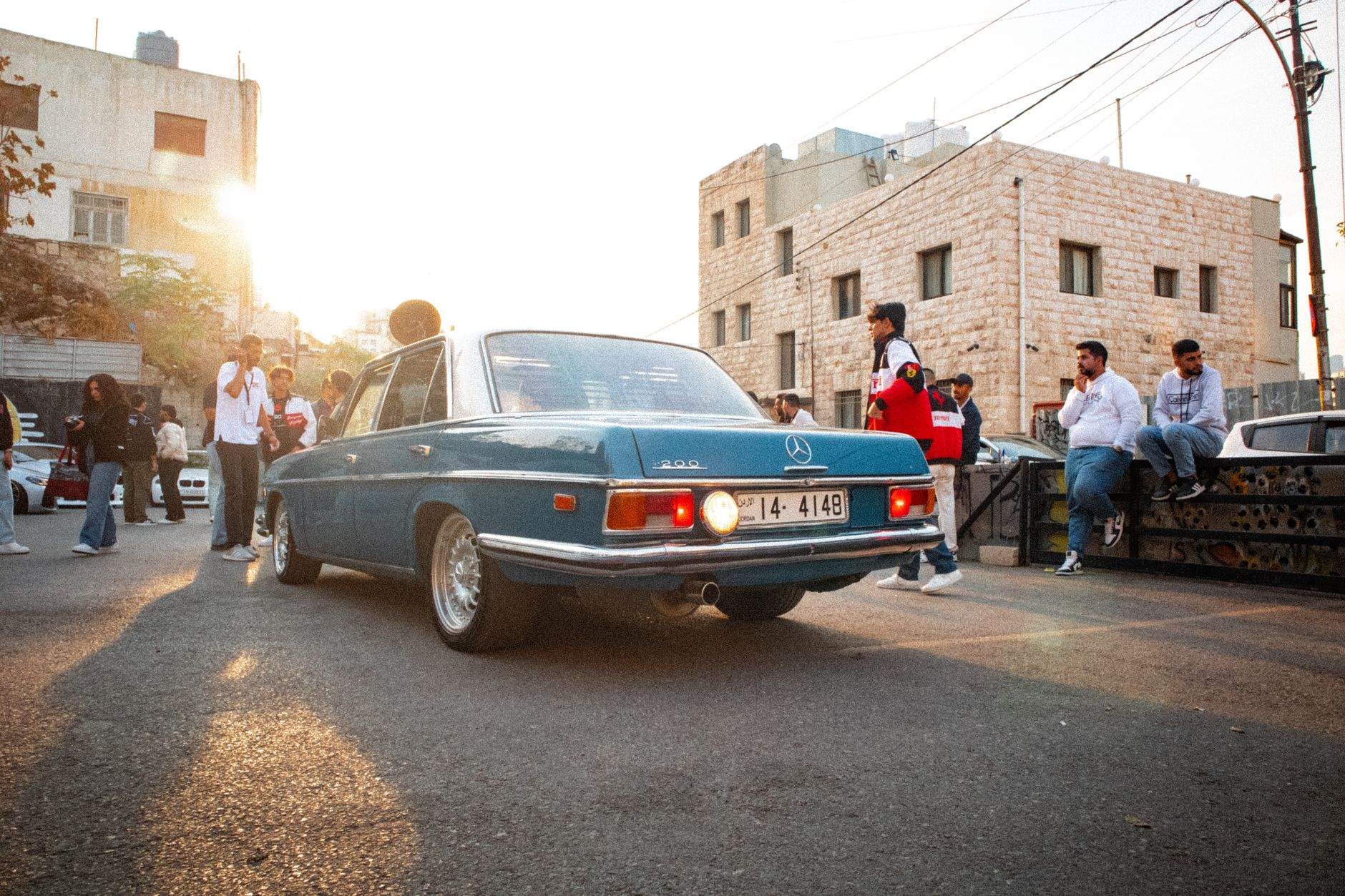
Photo by Mohammed Shaheen on Pexels
After 30 sessions comparing travel routes and venue logistics, the edge was not the cheapest headline fare; it was the route with one fewer transfer and a 90-minute arrival buffer. That sounds boring until a delayed connection turns a $200 saving into a missed match. For further planning, consult the [Internal Link: host-city travel and stadium access guide].
Get the city-by-city planning details before you reserve anything.
If you study match predictions: adjust for tournament conditions
Match predictions become more reliable when team strength is combined with context: rest days, travel distance, expected temperature, altitude, squad rotation, and confirmed lineups. FIFA rankings and recent results are useful starting points, but they cannot independently explain why an elite side may struggle after a long journey or why a deep squad benefits late in the group stage. Fan Strategy therefore treats team ratings as a baseline, not a final answer.
The second common error is confusing possession with control. A team may record 62 percent possession while creating fewer high-quality chances, especially against a compact defensive block. Track expected goals, shots inside the penalty area, progressive passes, set-piece efficiency, turnovers under pressure, and goalkeeper workload. Player availability is equally important: one missing defensive midfielder can alter pressing resistance more than a famous forward’s absence changes public expectations.
Use this checklist before forming an opinion:
- Confirm the starting goalkeeper and central defensive pairing.
- Compare each team’s rest period and previous travel leg.
- Separate penalties from open-play chance creation.
- Check whether the opponent attacks the same flank targeted by the favourite.
- Treat friendly-match form as lower-confidence evidence.
- Recalculate after official injury and suspension news.
The International Football Association Board Laws of the Game provide the competition’s technical foundation, while FIFA’s official communications establish tournament-specific information. As the Laws of the Game explain, “A match is played by two teams, each with a maximum of eleven players.” The obvious sentence matters because squad news, substitutions, and tactical changes must be interpreted within those limits.

Photo by https://kaboompics.com/ on Pexels
One information edge is timing. Team news published 60 to 90 minutes before kickoff can invalidate an attractive pre-match narrative, particularly when a side changes its press-resistant midfield or full-back structure. My rule after too many bad reads is simple: no prediction is final until the lineup, venue conditions, and travel context are checked together.
If you plan spending: separate football research from gambling risk
Football analysis and gambling decisions are not the same activity. A prediction can be tactically sound and still lose because football has low scoring, small sample sizes, officiating variance, and significant random events. If you choose to wager, confirm that the operator is legal in your jurisdiction, understand the applicable regulator, set a fixed entertainment budget, and never treat Fan Strategy analysis as a guarantee of profit.
The financial mistake is usually not one dramatic bet; it is uncontrolled escalation after a loss. A safer framework defines the maximum amount before the match, avoids borrowing, and records every stake and result. Do not chase a deficit created by an accumulator containing six or eight selections simply because the combined odds appear attractive. Correlated outcomes, late lineup changes, and market movement can make a ticket much weaker than it looked at purchase.
Consider these boundaries:
- Use only money that can be lost without affecting rent, food, debt payments, or travel essentials.
- Set a daily and tournament-wide limit in advance.
- Avoid betting while intoxicated, angry, exhausted, or trying to recover losses.
- Check age, licensing, payment, and withdrawal requirements before depositing.
- Stop immediately if gambling stops feeling recreational.
The World Health Organization identifies gambling harm as a public-health concern, and the National Council on Problem Gambling provides support resources in the United States. Their guidance is more important than any promotional offer. A contrarian conclusion follows from the numbers: more markets do not automatically create more value; they often create more opportunities to overtrade a weak opinion.
See the responsible approach before making any tournament-related decision.
Common pitfalls to avoid
The most expensive World Cup mistakes usually appear harmless at first: buying from an unofficial ticket seller, assuming a stadium’s city label means a short transfer, overlooking entry requirements, or trusting a viral team statistic without checking its sample. Official FIFA channels should be the first stop for tickets and match information. Government travel advisories, airline policies, stadium regulations, and local transport agencies then fill in the practical gaps.
Another recurring problem is packing too much into one day. A match may begin at 8 p.m., but security screening, public-transport queues, road closures, and stadium entry can consume several hours. Add time for weather delays and mobile-network congestion. Save screenshots of QR codes, reservations, emergency contacts, and identification details because stadium connectivity is not a promise.
Avoid these specific traps:
- Purchasing “guaranteed tickets” through unverified social accounts.
- Assuming resale rules are identical in Canada, Mexico, and the United States.
- Booking a hotel near a city centre without checking stadium travel time.
- Converting every price mentally without accounting for taxes and service fees.
- Treating a team’s 2025 record as a complete 2026 forecast.
- Ignoring rest, climate, altitude, and squad rotation.
- Using betting promotions without reading rollover, expiry, or withdrawal terms.
[Internal Link: official ticket safety checklist] belongs beside your booking records, not after a problem occurs. Remember, “official” is a claim that must be verified through a domain, regulator, or tournament authority—not a badge displayed in a screenshot.

Photo by Yara Solis Fuentes on Pexels
The 30-day check-in
Thirty days before departure or a major match, repeat the entire verification process. Check fixture status, ticket delivery, passport validity, entry permissions, accommodation cancellation terms, airport transfers, weather forecasts, stadium policies, and your emergency payment method. Tournament information can change, and the responsible response is not panic; it is a documented recheck with reliable sources.
For match analysis, update team news, likely lineups, recent minutes, tactical shape, set-piece roles, and travel sequence. A player who completed 90 minutes three times in eight days may be less influential than his season average suggests. Likewise, a substitute who repeatedly changes matches after the 70th minute deserves separate consideration from a simple goals-per-90 statistic.
Use this final 30-day audit:
- 30 days: confirm bookings, documents, insurance, and local transport.
- 14 days: review venue rules, fan zones, and public-transport changes.
- 7 days: check weather, kickoff instructions, and squad news.
- 24 hours: download tickets, maps, contacts, and reservations offline.
- Matchday: arrive early, protect your belongings, and follow venue instructions.
Fan Strategy’s daily World Cup coverage can help you monitor these changes through predictions, tactics, player statistics, and tournament developments. The goal is not to sound certain; it is to reduce avoidable uncertainty. After years of losing money and time to assumptions that looked reasonable, I trust a short verified checklist far more than confidence built from a headline.
Ready to keep your 2026 World Cup preparation evidence-based?
Frequently Asked Questions
Q: What is the 2026 World Cup format?
A: The 2026 World Cup features 48 teams, 12 groups of four, and 104 matches across Canada, Mexico, and the United States. The top two teams from each group plus the eight best third-place teams advance to a 32-team knockout phase. The tournament runs from June 11 to July 19, 2026, so supporters should plan around both the expanded schedule and the large geographic spread.
Q: How do I start planning a 2026 World Cup trip?
A: Start by choosing target matches and verifying venues through FIFA before booking travel. Then compare flights, rail or local transport, accommodation, entry requirements, insurance, and stadium access for each host city. Keep at least one buffer day between distant matches, save documents offline, and avoid non-refundable bookings until the fixture information relevant to your itinerary is confirmed.
Q: What is the difference between watching in Atlanta and Los Angeles?
A: Atlanta and Los Angeles offer different travel patterns, stadium environments, and fan experiences rather than identical matchday conditions. Atlanta’s Mercedes-Benz Stadium is a downtown venue with regional transport considerations, while Los Angeles is a broad metropolitan area where accommodation and stadium transfers require more precise neighbourhood planning. Los Angeles is scheduled to host eight matches and extensive fan celebrations, increasing demand across the region.
Q: Why can a strong team underperform at the 2026 World Cup?
A: A strong team can underperform because travel, heat, altitude, rest, injuries, tactical matchups, and squad rotation affect individual games. Mexico City’s elevation, southern U.S. humidity, and long intercity journeys may create conditions that ordinary rankings do not capture. Compare expected goals, defensive transitions, confirmed lineups, and recovery time instead of relying only on reputation or historical titles.
Q: How much does it cost to attend the 2026 World Cup?
A: There is no single reliable total because ticket category, host city, accommodation, transport, flights, taxes, and length of stay determine the final cost. Budget separately for the match ticket, local travel, lodging, food, insurance, currency conversion, and emergency funds. Check FIFA and official host-city information for ticket details, and never pay an unofficial seller claiming guaranteed access.
Q: What should I do if my World Cup ticket or booking fails?
A: Contact the official ticket provider, airline, hotel, or transport company immediately and preserve every confirmation, receipt, and message. Do not send additional money to a social-media seller promising to “unlock” a ticket or reservation. If payment fraud is suspected, contact your bank, report the account, and use official FIFA, government, or consumer-protection channels for the relevant country.
Q: Is it sensible to bet on 2026 World Cup matches?
A: Betting is only sensible as optional entertainment when it is legal, affordable, and strictly limited by a pre-set budget. Football predictions are uncertain because low scoring, injuries, refereeing decisions, and random events can overturn strong analysis. Never borrow money or chase losses, read all operator terms, and use responsible-gambling support if the activity becomes difficult to control.
The tournament will produce unforgettable matches, but preparation still comes down to ordinary discipline: verify the source, measure the distance, check the data, and control the budget. Fan Strategy is built for that process, combining football 2026 World Cup coverage with tactical analysis, player statistics, and daily match insights rather than empty certainty.
Explore the latest 2026 World Cup analysis and planning resources.
Thank you for reading.
For those who play for more than just the thrill.
Fan Strategy · The High-Stakes Editorial · No. 01