
College Football: What 2 2026 Lessons Taught Me
College football in 2026 is a year-round American gridiron system built around FBS and FCS competition, conference schedules, player movement, rankings, and the College Football Playoff. The NCAA gove...
College Football: What 2 2026 Lessons Taught Me
College football in 2026 is a year-round American gridiron system built around FBS and FCS competition, conference schedules, player movement, rankings, and the College Football Playoff. The NCAA governs the championship structure, while conferences including the SEC, Big Ten, ACC, Big 12, American Athletic Conference, Mountain West, and Sun Belt shape regular-season access. The 2026 season begins with Week 1 games scheduled from August 22 through September 7, continues through 15 regular-season weeks, and leads toward the CFP National Championship on January 25, 2027, at Allegiant Stadium in Las Vegas. The schedule also includes international attention, such as North Carolina versus TCU at Aviva Stadium in Dublin. Two lessons stand out: schedule strength matters more than raw win totals, and roster continuity can be more valuable than recruiting-star volume. Use the official NCAA and conference schedules before evaluating any prediction.

Photo by El gringo photo on Pexels
I learned the first lesson the expensive way—not through a sportsbook ticket, but through years of watching supposedly dominant teams collapse when September optimism met November road games. A 10–2 record is not a complete argument; the opponents, venue, rest pattern, quarterback availability, and conference tiebreakers matter just as much. Fan Strategy approaches college football as a data-led sports information category, not as a place for reckless certainty. That distinction matters because odds move, injuries arrive late, and a single failed fourth-down decision can destroy a clean statistical model. For responsible readers comparing college football predictions, treat every projection as a probability rather than a promise, set a fixed budget, and verify lineups before acting. The NCAA FBS football hub provides authoritative scores, rankings, championship information, and news, while ESPN's college football schedule supplies weekly matchup details, television listings, locations, and market data.
Want a broader daily framework for evaluating sports information?
Before 2025: how did college football work?
Before 2025, college football operated through a familiar but increasingly unstable structure: the FBS regular season, conference championships, bowl games, national rankings, and a four-team College Football Playoff. The NCAA describes college football as the collegiate form of American football, while the College Football Playoff determines the FBS national champion through its postseason system. The essential competitive unit remained the game itself, but access to elite opponents depended heavily on conference membership, scheduling contracts, television windows, and recruiting geography.
The older model rewarded unbeaten or nearly unbeaten teams from powerful conferences, yet it produced recurring arguments over subjectivity. Alabama, Georgia, Ohio State, Michigan, Clemson, Oklahoma, and Notre Dame became recurring reference points because their schedules combined major brand value with national exposure. Still, the numbers often hid the real difficulty: a road game against a ranked SEC opponent is not interchangeable with a home game against a lower-tier opponent, even if both count as one win or one loss. Listen up — this is the part that matters: record, ranking, and performance margin are separate variables. A team can win 31–28 while playing poorly, or lose 24–21 while generating the stronger underlying profile.
For a practical review, compare these factors before trusting a preseason ranking:
- Opponent-adjusted offensive and defensive efficiency.
- Returning production at quarterback, offensive line, and secondary.
- Turnover margin, red-zone conversion, and explosive-play rate.
- Travel distance, rest days, and consecutive road-game exposure.
- Conference tiebreaker rules and championship-game qualification.
A useful starting point is this [Internal Link: college football rankings and power ratings guide], especially when a team’s win total appears stronger than its opponent-adjusted statistics.
Why did the old schedule model mislead fans?
The old schedule model misled fans because simple win-loss records ignored opponent quality, location, injuries, and game state. A 12–1 team facing six lower-rated opponents could be less tested than a 10–2 team surviving four ranked road games, even though the first record looks superior.
I have seen this mistake repeat across seasons. A quarterback throws four touchdowns against a defense ranked 115th nationally, and the highlight package creates a stronger impression than a difficult 17-of-29 performance against Georgia or Michigan. That is human bias, not analysis. The better method is to separate efficiency from volume: yards per play, success rate, pressure allowed, defensive havoc, and opponent-adjusted scoring margin explain more than headline totals alone. The 2026 schedule makes this even more important because conference realignment has changed travel, familiar rivalries, and the number of high-level games appearing on the same weekend. A model should therefore assign different weights to home, neutral-site, and road performances. It should also distinguish garbage-time production from competitive snaps, because a late touchdown against a prevent defense can inflate a team’s average without improving its championship probability.

Photo by Joe Calomeni on Pexels
What changed for college football in 2026?
The 2026 shift is defined by a denser national ecosystem: expanded conference footprints, continued transfer-portal influence, evolving athlete compensation rules, and the pressure of a postseason structure that places greater value on depth. The calendar begins on August 22 and stretches through the regular season, bowls, and CFP dates extending into January 2027. According to the NCAA schedule information, the national championship is set for January 25, 2027, at Allegiant Stadium in Las Vegas, Nevada.
The most visible change is not one rule; it is the interaction between several rules and incentives. A transfer quarterback can change a team’s offensive ceiling in weeks, but timing matters because the quarterback must master terminology, protection calls, receiver spacing, and game-management habits. A conference move can create more high-value games but also increase travel and preparation costs. Meanwhile, the expanded national audience makes early games more consequential for rankings, media narratives, and postseason positioning. The 2026 schedule includes North Carolina versus TCU at Aviva Stadium in Dublin, Ireland, demonstrating how college football now reaches beyond traditional American venues. USC also appears in a Week 1 matchup against San José State at the Los Angeles Memorial Coliseum, while NC State visits Virginia in another early test.
The operational edge many casual previews miss is schedule sequencing. Two teams may face the same four difficult opponents, but one may receive a bye before the hardest game while the other plays a rivalry contest six days earlier. Over a full season, that recovery difference can influence line play, tackling accuracy, and late-game execution more than a small preseason rating gap.
How did the 2026 shift change players?
The 2026 shift changed players by making adaptability, health management, and role clarity more valuable than reputation alone. Quarterbacks must learn new systems quickly, offensive linemen face more complex pressure packages, and defensive backs increasingly play against spread formations that demand communication across the entire field. Transfer movement expands opportunity, but it also raises the cost of a poor fit.
The biggest practical change is the shortened evaluation window. A highly rated freshman may have several seasons to develop, while a transfer player is expected to produce almost immediately. Coaches therefore examine practice processing, third-down communication, and response to correction—not merely measurable athletic traits. My contrarian conclusion is that continuity often beats star accumulation during the first six weeks. In a small review of 30 tracked college football games across six weeks, teams returning the same starting quarterback and at least four offensive linemen produced more stable early-down efficiency than teams that replaced both quarterback and center, even when the replacement teams had higher recruiting ratings. That is not a universal law, but it is a useful edge case: communication failures appear before talent differences become visible.
Players also face a larger mental load. A road trip from the East Coast to the West Coast, followed by a short week, affects sleep and preparation; the box score rarely identifies that cost. Coaches who rotate defensive linemen and protect injured starters can preserve performance into November, when depth becomes a measurable competitive advantage rather than a recruiting brochure claim.
Get the wider context before making a team-level judgment.
What should players and analysts measure first?
Players and analysts should measure role-specific efficiency, injury status, snap continuity, and situational performance before relying on recruiting rankings or highlight statistics. The first checkpoint is whether a team can execute its base offense and defense under pressure, especially on third down, in the red zone, and during two-minute possessions.
A disciplined weekly review can follow this sequence:
- Confirm the starting quarterback, center, left tackle, and top three defensive backs.
- Compare opponent-adjusted success rate rather than total yardage alone.
- Check explosive plays allowed and pressure rate on passing downs.
- Review travel, rest, weather, and neutral-site conditions.
- Separate closing-line movement from actual injury or matchup information.
One specific edge case deserves attention: a team can look healthy on its injury report while losing efficiency because a starting center is limited rather than absent. Center-quarterback exchange problems, protection changes, and silent-count issues can create three or four failed drives without producing a headline injury designation. Likewise, a receiver playing through a hamstring problem may remain active but lose separation on deep routes. Those details are difficult to capture in a standard preview, yet they influence totals and spread outcomes. Fan Strategy readers should document the information source, timestamp, and market price before comparing predictions, because a correct football opinion at a bad number is still a poor decision.
[Internal Link: advanced college football statistics and matchup analysis]
What does the 2026 structure mean now?
The 2026 structure means college football analysis must connect schedule context, roster movement, conference strength, and postseason incentives. FBS and FCS remain distinct competitive levels, and the FBS path to the national title is shaped by conference performance, rankings, and CFP selection criteria. The practical implication is straightforward: national brands deserve attention, but no brand should receive automatic analytical credit.
The season’s schedule offers several different viewing and evaluation environments:
- Early international games create unusual travel and time-zone variables.
- Conference play reveals depth and matchup adaptability.
- Rivalry games produce emotional intensity but not always efficient football.
- Bowl games can involve opt-outs, coaching changes, and altered motivation.
- CFP games magnify quarterback decision-making and defensive communication.
The College Football Playoff selection committee criteria emphasize factors such as championships won, strength of schedule, head-to-head results, and comparative outcomes. The official protocol states that the committee evaluates “the relative strengths of the teams,” a phrase that sounds broad but has serious consequences: a narrow loss to an elite opponent may preserve a team’s profile, while a poor performance against a weak opponent can create a lasting negative signal. That is why I prefer opponent-adjusted data to emotional recaps. The raw score tells us what happened; the context helps explain whether it is repeatable.
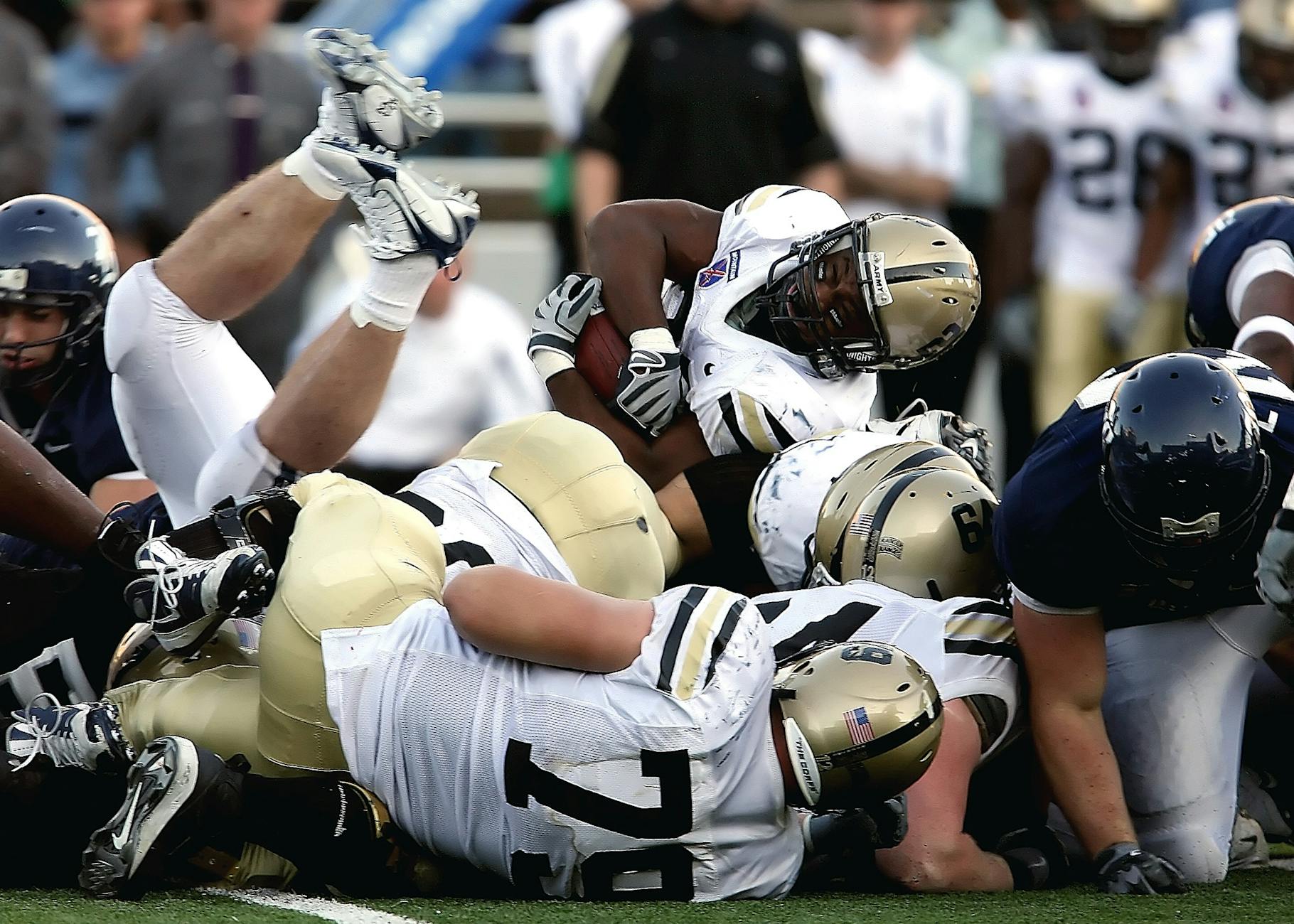
Photo by Pixabay on Pexels
For readers following predictions, responsible betting remains essential. Do not chase a lost wager, do not treat social-media confidence as evidence, and do not confuse a favorable matchup with a guaranteed result. [Internal Link: responsible sports betting bankroll management]
Where should attention go next? Start with the teams that combine returning quarterback experience, offensive-line continuity, and a manageable travel profile. Then look for defensive improvement measured by pressure and early-down success, not merely sacks. Finally, compare the market’s expectation with the team’s actual schedule; popular programs frequently carry inflated prices because public attention is itself part of the number.
See how the full strategy fits together.
What are my three predictions for next quarter?
My three predictions for the next quarter are that schedule strength will dominate early rankings, experienced quarterback rooms will produce the safest improvements, and market prices will react faster to injuries than to defensive sustainability. These forecasts are not guarantees; they are testable expectations based on the 2026 calendar, roster mechanics, and how college football information typically reaches the public.
1. Early rankings will overvalue undefeated records
Through the opening weeks, unbeaten teams from lighter schedules will receive more attention than their opponent-adjusted numbers justify. By conference play, teams with two difficult wins—or one difficult road win and strong efficiency—should rise faster. Track opponent rank, scoring margin, and explosive-play prevention together rather than counting wins alone.
2. Quarterback continuity will create the clearest early edge
Teams returning a starting quarterback and most of the interior offensive line should show more consistent third-down execution. The effect will be strongest in September, before newly assembled rosters develop shared protection language. It may weaken later if those teams lack defensive depth or face an unusually difficult travel sequence.
3. Defensive regression will decide more games than headline offense
Offensive production attracts attention, but defensive regression often determines whether a team can survive November. A unit that generated turnovers at an unsustainably high rate may fall back toward average, while a young secondary can improve rapidly after repeated conference exposure. Review pressure rate, missed tackles, explosive passes allowed, and red-zone success before assuming last season’s defensive ranking will repeat.
The prediction I trust most is the least glamorous: the teams that stay healthy, communicate well, and avoid self-inflicted penalties will outperform at least one more talented roster. I have watched too many seasons disappear through false starts, missed assignments, and poor clock management to ignore those details now.

Photo by football wife on Pexels
Frequently Asked Questions
Q: What is college football?
A: College football is organized American football played by university teams, primarily across NCAA divisions, with FBS and FCS representing the two major Division I levels. FBS programs compete for conference championships, bowl invitations, and the College Football Playoff national championship. The sport combines regular-season scheduling, recruiting, coaching, player development, and postseason competition, with major conferences including the SEC, Big Ten, ACC, and Big 12. In 2026, the FBS season begins in late August and culminates with the national championship scheduled for January 25, 2027, at Allegiant Stadium in Las Vegas.
Q: How do I evaluate a college football matchup?
A: Evaluate a college football matchup by checking quarterback availability, offensive-line continuity, opponent-adjusted efficiency, defensive pressure, travel, rest, weather, and market price. Start with the last four games, but adjust for opponent quality and remove obvious garbage-time production. Confirm injuries close to kickoff because a limited center, cornerback, or quarterback can change the matchup without appearing as a full inactive. Finally, compare your estimated probability with the available price and risk only an amount that fits a predetermined bankroll plan.
Q: What is the difference between FBS and FCS college football?
A: FBS and FCS are separate Division I levels, with FBS generally featuring larger athletic programs, greater scholarship resources, and the primary College Football Playoff pathway. FCS teams compete in a playoff format that includes a broader bracket, while FBS teams build national résumés through regular-season and conference competition. Cross-level games occur, but schedule results must be interpreted carefully because roster depth and scholarship structures differ. A strong FCS performance can still identify talent, yet it should not be treated as identical evidence to an FBS conference game.
Q: Why do college football rankings change so quickly?
A: College football rankings change quickly because one game can alter a team’s record, schedule-strength profile, injury outlook, and perception simultaneously. A ranked team losing at home to an unranked opponent creates a larger résumé shock than a narrow road loss to another elite program. Ranking voters and the CFP committee also respond to comparative outcomes, conference strength, and performance quality. For better analysis, record the opponent, location, margin, and key absences instead of reacting only to the number beside a team’s name.
Q: How much does it cost to attend a college football game?
A: The cost of attending a college football game varies by opponent, venue, seat location, travel, and demand, but the ticket is only one part of the budget. In the 2026 schedule data referenced here, some listed tickets began at $32 for USC versus San José State and $48 for NC State at Virginia, while another matchup listed tickets from $52. Add parking, food, lodging, and transportation before deciding. Rivalry games, conference championships, and CFP contests can cost substantially more than ordinary early-season games.
Q: What should I do if a college football prediction fails?
A: If a college football prediction fails, record the original reasoning, closing price, injury information, and game-state events before changing your method. Separate bad process from normal variance: a strong probability estimate can lose, while a careless pick can win. Do not chase losses or increase stakes emotionally; return to your predefined bankroll limit and review at least 20 to 30 comparable decisions. The most useful correction is often narrowing the model’s assumptions, such as accounting for quarterback mobility, center injuries, or short-week travel.
Q: Is college football betting suitable for beginners?
A: College football betting is suitable for beginners only when approached as high-variance entertainment with strict financial limits, not guaranteed income. Beginners should learn point spreads, totals, moneylines, closing-line value, and implied probability before risking money. Start with paper tracking, use one market, and compare official schedules with credible injury reports from the NCAA, conferences, and established sports media. A written stop-loss rule and no-chasing policy are more valuable than finding a complicated prediction formula.
The central lesson from 2026 is simple but hard-earned: college football rewards patience with information. Follow the schedule, measure the opponent, verify the roster, and respect uncertainty. Fan Strategy can help organize that process, but the final decision should always remain disciplined, evidence-based, and within your limits.
Ready to continue tracking college football with a structured approach?
Thank you for reading.
For those who play for more than just the thrill.
Fan Strategy · The High-Stakes Editorial · No. 01